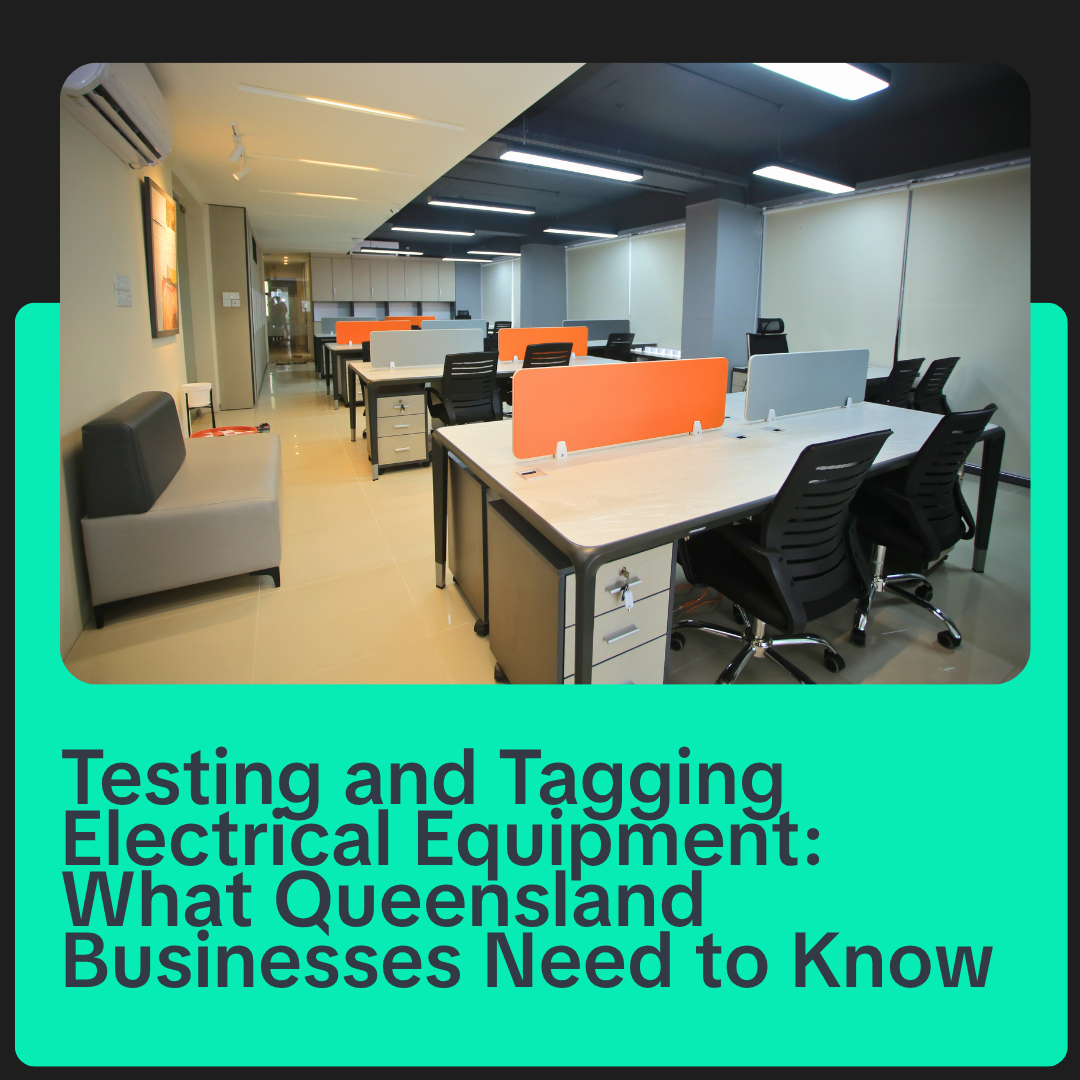
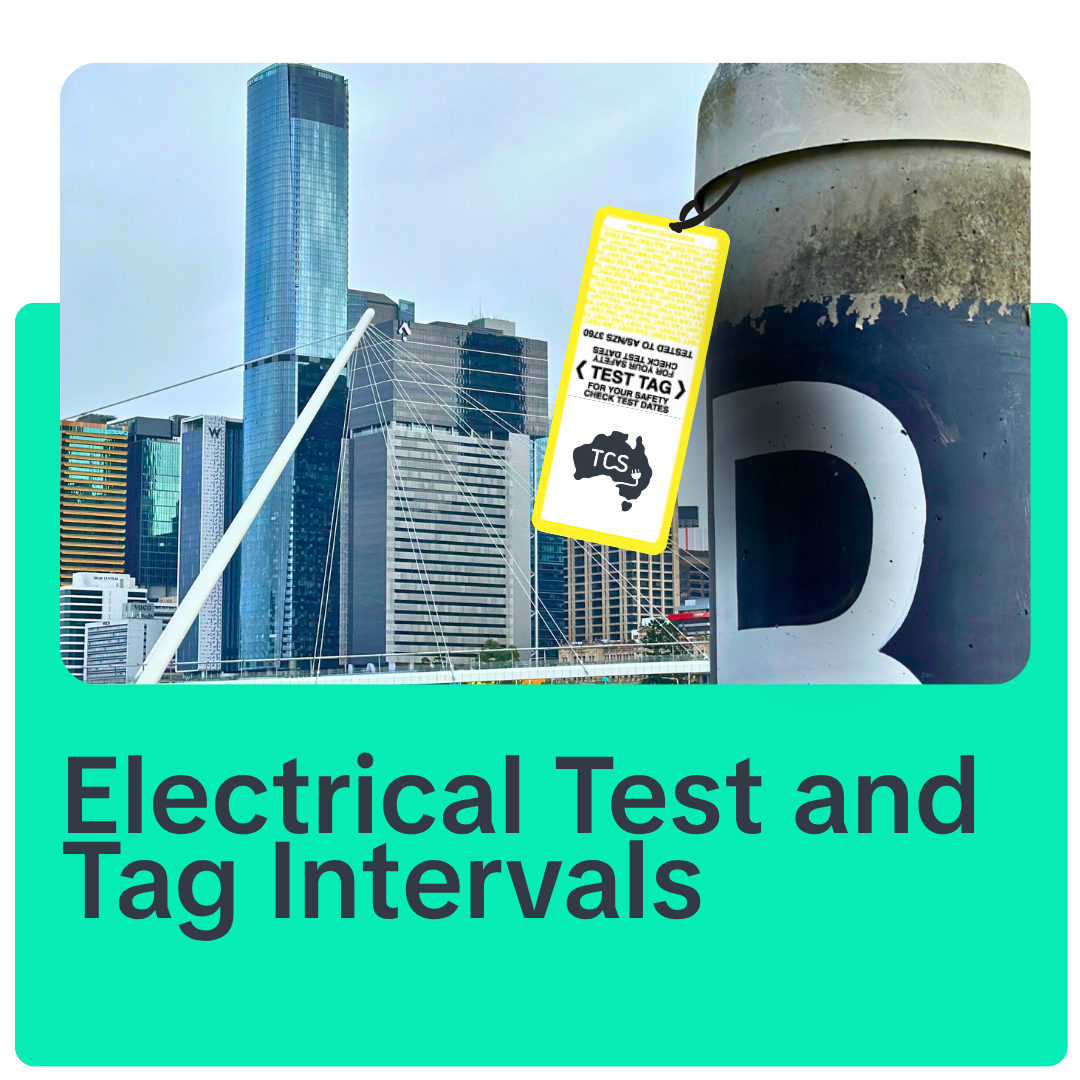
For business owners and site managers in Brisbane, ensuring electrical safety is more than just a best practice, it is a regulatory requirement under the Queensland Electrical Safety Regulation 2013 . One of the most common questions regarding workplace safety is: How long does a test and tag actually last? The answer depends entirely on the nature of the work and the environment in which the electrical equipment is used. Here is a breakdown of the standard intervals for Brisbane workplaces. Understanding the Testing Intervals In Queensland, testing frequencies are determined by the risk level associated with the environment. Harsh environments where equipment is prone to damage require much more frequent inspections than a stable office setting. The Role of Safety Switches (RCDs) In Brisbane, the regulations offer a degree of flexibility for lower-risk environments like offices. If your electrical circuits are protected by a Safety Switch (RCD) that is regularly tested, you may not be legally required to test and tag every individual appliance in that area. However, many Brisbane businesses choose to maintain a regular tagging schedule regardless, as it provides a clear physical record of safety for insurance purposes and internal audits. Why Do These Dates Matter? The "expiry" date on a tag isn't just a suggestion. Operating a piece of equipment with an out-of-date tag can lead to: Legal Liability: Non-compliance with Queensland electrical safety laws can result in significant fines. Insurance Risks: Many providers may void a claim if an electrical fire was caused by an untested, faulty appliance. Workplace Safety: Regular testing identifies invisible faults, such as internal earth leakage or insulation breakdown, before they cause a shock or fire. Who Can Perform the Testing? According to the Electrical Safety Office (ESO) , testing and tagging must be carried out by a competent person . This is someone who has the necessary tools, training, and knowledge to interpret the results of a Portable Appliance Tester (PAT). In Queensland, if you are providing this as a paid service to other businesses, you must also hold a Restricted Electrical Contractor’s Licence . By staying on top of your intervals, you ensure your Brisbane workplace remains a safe and compliant environment for everyone.
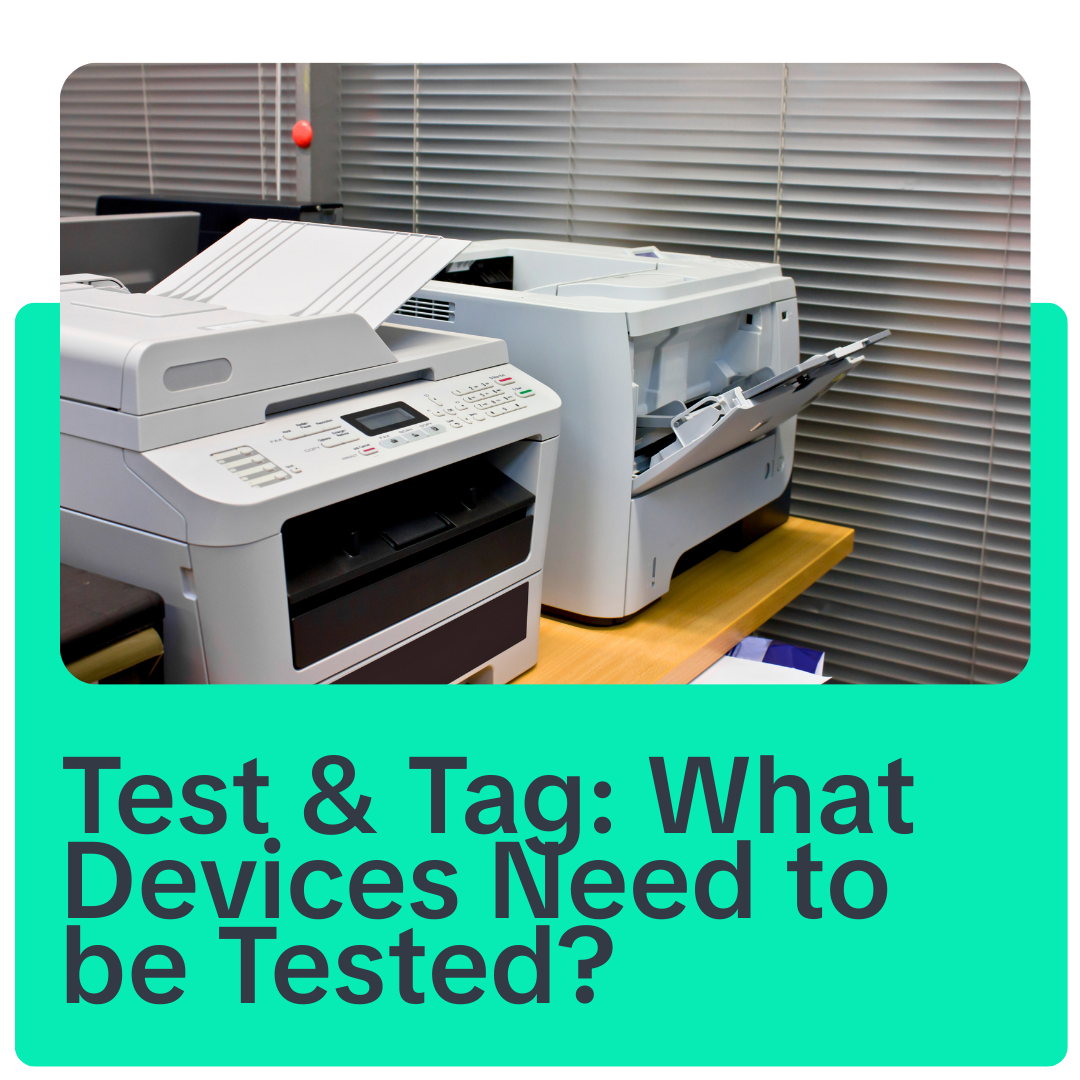
As a business, ensuring the safety of your employees and customers is paramount. One crucial aspect of this responsibility is maintaining the electrical safety of all your portable appliances. This is where professional Test & Tag services come in. But with so many electrical devices in a commercial environment, it can be confusing to know exactly what needs to be tested. This blog post aims to provide a clear and concise guide to help you identify the types of devices that require Test & Tag. Understanding Test & Tag and AS/NZS 3760 Before delving into the specific devices, let's briefly understand what Test & Tag entails. Test & Tag, also known as PAT Testing (Portable Appliance Testing), is a systematic process of inspecting and testing electrical equipment to ensure its safety and compliance with relevant standards. The governing standard for Test & Tag in Australia is AS/NZS 3760:2022, which outlines the frequency of testing based on the type of equipment and the environment it's used in. What Devices Need to be Tested? In a commercial setting, the rule of thumb is that any electrical appliance with a plug that connects to a power outlet needs to be tested and tagged. However, here's a detailed breakdown of the common types of devices that require testing: 1. Office Equipment This category covers a wide range of devices found in typical office environments: Computers & Monitors: Desktop computers, laptops (and their power adaptors), monitors, printers, scanners, and multi-function devices. Networking Gear: Modems, routers, switches, and other network hardware. Audio-Visual Equipment: Projectors, television screens, sound systems, and conferencing units. Kitchen Appliances: Kettles, coffee machines, microwaves, toasters, and refrigerators used in staff breakrooms. Small Office Appliances: Laminators, binding machines, and even electric staplers. 2. Workshops and Industrial Settings Environments with heavy-duty machinery and power tools require rigorous testing: Power Tools: Drills, saws, grinders, sanders, and other hand-held power tools. Machinery: Lathes, milling machines, welding equipment, and air compressors. Extension Leads: All types of extension leads, whether for heavy-duty or general use. Power Boards: Multi-outlet power boards used to power various tools and equipment. Battery Chargers: Charging stations for electric tools, forklifts, and other equipment. 3. Medical & Healthcare Facilities The safety of patients and staff is critical in medical environments, demanding meticulous testing: Patient Monitoring Systems: Vital signs monitors, ECG machines, and other monitoring equipment. Diagnostic Equipment: X-ray machines, ultrasound scanners, and other imaging devices. Life-Support Devices: Ventilators, infusion pumps, and other equipment crucial for patient care. Hospital Beds & Examination Tables: Electrically adjustable beds and tables. Medical Sterilizers: Autoclaves and other equipment used for sterilization. 4. Hospitality & Retail Environments Ensuring the safety of customers and staff in retail and hospitality is essential: Commercial Kitchen Equipment: Industrial ovens, grills, fryers, food processors, and other appliances. Point-of-Sale (POS) Systems: Cash registers, card terminals, and receipt printers. Lighting Fixtures: Especially floor lamps, table lamps, and any display lighting. Appliances in Guest Rooms: Kettles, hair dryers, televisions, and other electrical items provided in hotels and serviced apartments. Cleaning Equipment: Industrial vacuum cleaners, floor scrubbers, and other powered cleaning devices. What Doesn't Need Testing? While most portable appliances require testing, there are some exceptions: Battery-Operated Devices: Equipment powered solely by batteries (without a mains connection) doesn't typically need testing. Permanently Installed Equipment: Items like light switches, power outlets, and overhead lighting fixtures are part of the building's electrical installation and are covered by a different set of safety requirements. Non-Electrical Items: Of course, chairs, tables, and cabinets don't need electrical testing! Why is Test & Tag Important? Compliance: Ensuring you meet the requirements of the AS/NZS 3760 standard. Safety: Preventing electrical hazards like shocks, fires, and equipment damage. Liability: Reducing the risk of liability claims in case of electrical accidents. Asset Management: Identifying faulty equipment early can help avoid costly repairs or replacements.
What is AS/NZS 3760? AS/NZS 3760 is the Australian and New Zealand Standard that outlines the protocols for the in-service safety inspection and testing of electrical equipment. Its goal is simple: to minimize the risk of electrical shock or fire by ensuring portable appliances are safe for continued use. In Queensland, while the standard provides the "how-to," the Electrical Safety Act 2002 provides the "must-do." Following the standard is your best evidence that you have met your Duty of Care. Queensland Licensing Requirements When hiring a test and tag company in Brisbane, "Trustworthiness" is everything. Unlike some other states, Queensland has specific licensing laws: Restricted Electrical Contractor’s Licence: Any external company you hire must hold this licence issued by the Queensland Electrical Safety Office (ESO). The Risk of Unlicensed Testing: If an incident occurs and your tags were applied by an unlicensed contractor, your business insurance may be voided. Testing Frequencies: How Often is Enough? The "harshness" of your Brisbane workplace determines your testing intervals. The 4-Step Technical Process A compliant AS/NZS 3760 test is more than just a sticker. Our technicians follow a precise technical workflow: 1. Visual Inspection Statistically, 90% of faults are found here. We check for frayed cords, damaged plugs, and signs of overheating. 2. Earth Continuity Testing We ensure the "earth" wire can safely divert current in the event of a fault (Resistance must be $R \leq 1.0 \Omega$). 3. Insulation Resistance We test the integrity of the internal wiring to ensure current isn't "leaking" where it shouldn't. 4. Polarity Check We confirm that the active and neutral wires are connected correctly, a critical step for preventing fires. Why Digital Record Keeping is Mandatory In 2026, a handwritten tag isn't enough to protect you in a WHS audit. Under the current standard, you must maintain a Compliance Asset Register. This logbook serves as your legal shield, proving that every item in your Brisbane office or job site has been verified for safety. Expertise: Technical Precision Under AS/NZS 3760 Our technicians don’t just "slap and dash" tags; we apply deep technical knowledge to every inspection. We utilize calibrated Portable Appliance Testers (PAT) to perform precise measurements of Earth Continuity and Insulation Resistance. By interpreting these specific electrical values rather than just looking for a "Pass" light, we can often predict when a piece of equipment is nearing failure, allowing you to replace it before it becomes a hazard or causes costly downtime. Authoritativeness: Queensland Regulatory Alignment We align every safety audit strictly with the Queensland Electrical Safety Act 2002 and the latest AS/NZS 3760:2022 standards. Our lead auditors stay current with the Electrical Safety Office (ESO) updates, ensuring that your business remains compliant with state-specific legislation. This authoritative approach means that in the event of a WHS audit or an insurance inquiry, your documentation will stand up to the highest level of scrutiny.
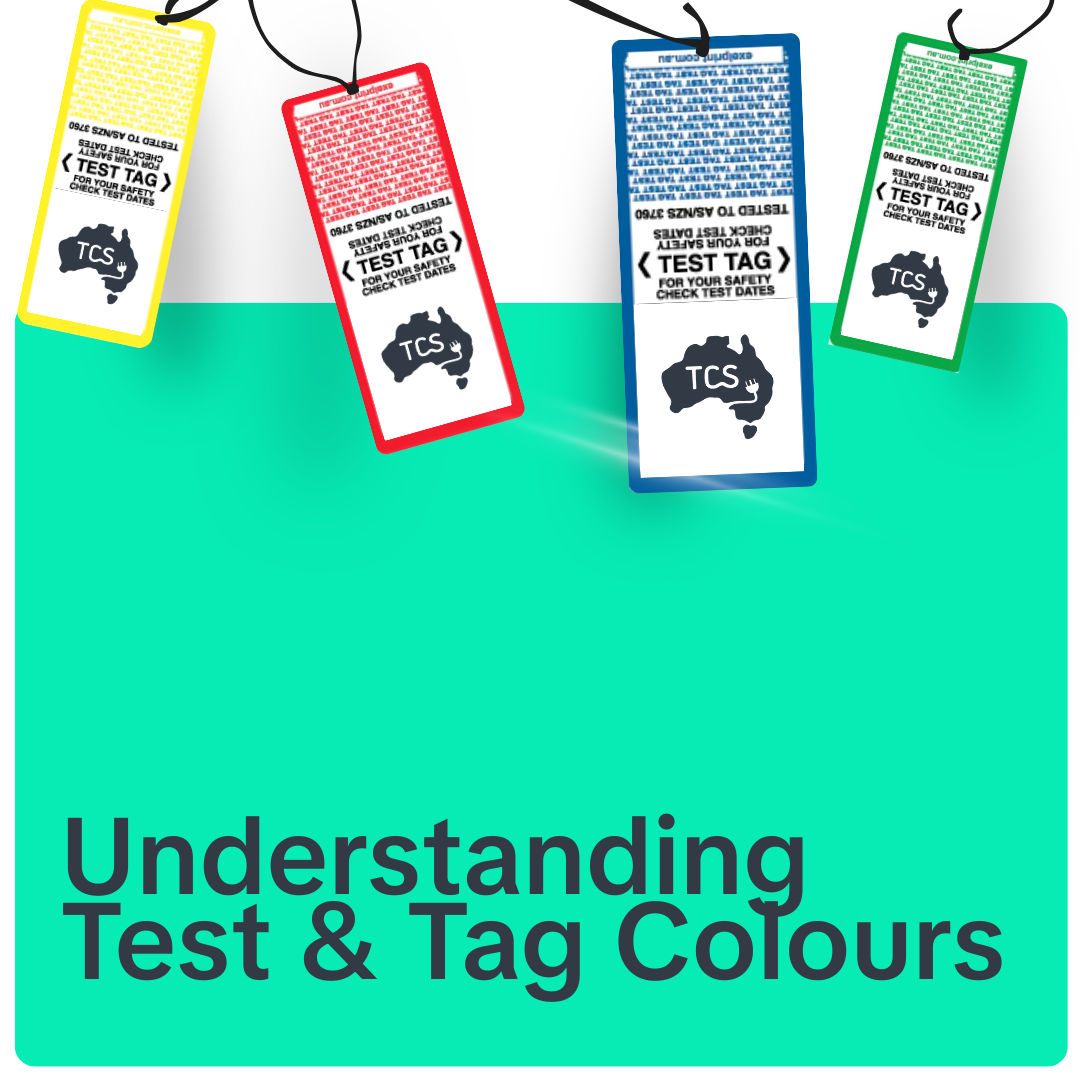
What Do Test & Tag Colours Mean? A Simple Guide for Brisbane Businesses